

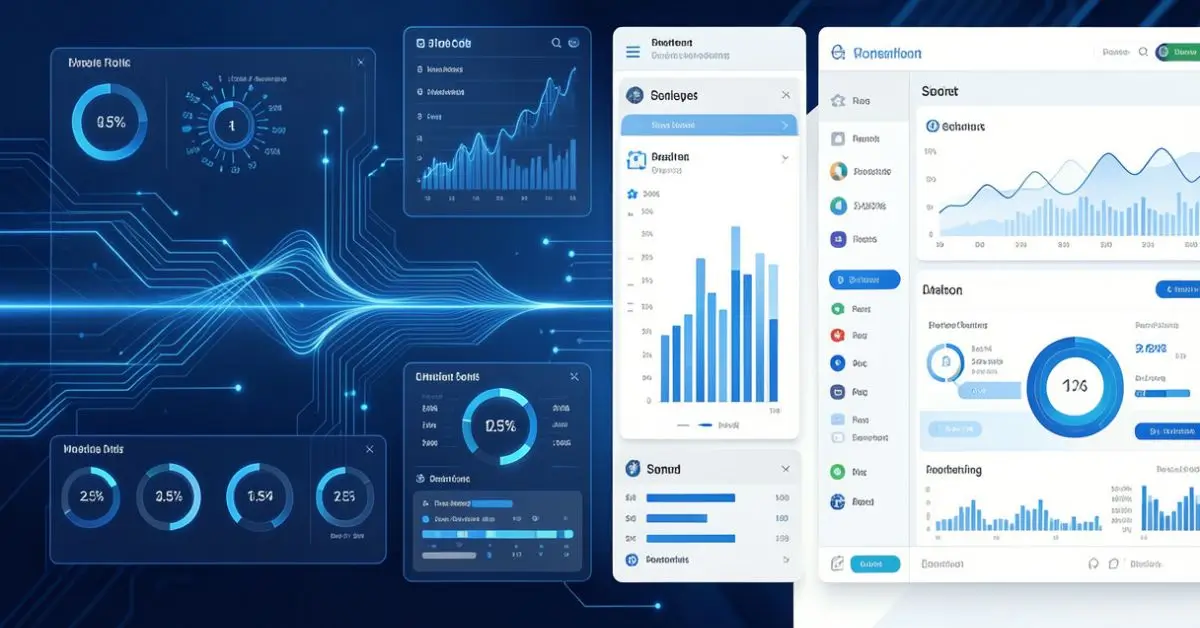
Understanding Software RCSDASSK: What It Is and Why It Matters
Finding the right software tool can feel overwhelming. With thousands of platforms claiming to solve similar problems, knowing which one actually fits your workflow is harder than ever.
If you’ve come across software rcsdassk and wondered what it does or whether it’s worth exploring, you’re not alone. This guide breaks down everything you need to know about this platform what it is, how it works, who uses it, and whether it might be the right fit for your needs.
Software rcsdassk is a technology platform designed to streamline data analysis, system coordination, and automated reporting for businesses and technical teams. It integrates with existing workflows to reduce manual tasks and improve decision-making through real-time insights.
By the end of this article, you’ll understand the core features, common use cases, benefits, and potential limitations of software rcsdassk.
Quick Summary
Software rcsdassk is a workflow automation and data analysis tool built for tech teams and businesses. It helps coordinate systems, automate reporting, and deliver real-time insights. This guide covers its features, use cases, pros and cons, and who benefits most from using it.
What Exactly Is Software RCSDASSK?
At its core, software rcsdassk functions as a bridge between different data sources and operational systems. It pulls information from multiple platforms, processes it, and presents actionable insights through dashboards and automated reports.
Think of it as a central hub where your data lives, gets analyzed, and turns into decisions without needing a team of analysts working around the clock.
Unlike generic analytics tools, this platform focuses on coordination. It doesn’t just show you numbers. It helps different systems talk to each other, automate repetitive tasks, and flag issues before they become problems.
For example, a logistics company might use software rcsdassk to track shipments across vendors, automatically alert teams when delays happen, and generate weekly performance reports all without manual input.
Key Features That Set It Apart
Real-Time Data Integration
Software rcsdassk connects to various data sources cloud databases, APIs, third-party apps and syncs information in real time. This means your dashboards always reflect current conditions, not yesterday’s snapshot.
For teams managing fast-moving operations, this feature eliminates guesswork and reduces the lag between events and responses.
Automated Reporting
Manual reporting eats up hours every week. This platform automates the process by pulling data, applying filters, and generating reports on a schedule you set.
You can customize templates, choose delivery formats, and even set triggers like sending a report only when certain thresholds are met.
System Coordination
One standout feature is how software rcsdassk coordinates multiple systems. If you run different tools for inventory, sales, and customer support, this platform can link them together and create unified workflows.
For instance, when inventory drops below a set level, it can trigger a reorder in your purchasing system and notify your sales team automatically.
Customizable Dashboards
Every team has different priorities. Software rcsdassk lets you build dashboards that show exactly what matters to you whether that’s uptime metrics, revenue trends, or customer activity.
Dashboards update live, and you can share them across departments or restrict access based on roles.
Alert and Notification System
The platform monitors data streams and sends alerts when something unusual happens. You define the rules like a sudden spike in errors or a drop in traffic and it notifies the right people instantly.
This proactive approach helps teams catch issues early instead of discovering them during post-mortem meetings.
Who Uses Software RCSDASSK?
Tech Teams and Developers
Development teams use this platform to monitor application performance, track deployment metrics, and coordinate between staging and production environments.
It’s particularly useful for teams running microservices or distributed systems where visibility across services is critical.
Operations Managers
Ops teams rely on software rcsdassk to oversee daily workflows, automate routine checks, and maintain system health without constant manual oversight.
Data Analysts
Analysts use it to pull data from scattered sources into one place, run analyses, and share findings with stakeholders through automated reports.
Small to Mid-Sized Businesses
Companies without dedicated data teams benefit from the automation and ease of use. It gives them enterprise-level insights without needing a full analytics department.
Real-World Use Cases
E-Commerce Operations
An online retailer uses software rcsdassk to track inventory across warehouses, monitor order fulfillment times, and automatically generate daily sales summaries. When stock runs low, the system triggers purchase orders and alerts the procurement team.
SaaS Product Monitoring
A software company monitors user activity, server uptime, and feature usage through the platform. Alerts go out when server response times spike or when user signups drop unexpectedly, allowing quick troubleshooting.
Marketing Campaign Tracking
A marketing team connects ad platforms, website analytics, and CRM data through software rcsdassk. They get unified campaign reports showing ROI, conversion rates, and customer journey metrics all updated in real time.
How It Compares to Similar Tools
| Feature | Software RCSDASSK | Traditional Analytics Tools | Custom-Built Solutions |
|---|---|---|---|
| Real-time integration | Yes | Limited | Depends on build |
| System coordination | Strong | Weak | Customizable |
| Setup complexity | Moderate | Low | High |
| Automation depth | High | Moderate | High |
| Cost | Mid-range | Low to mid | High |
Unlike basic analytics platforms, software rcsdassk emphasizes automation and system linking. Compared to custom-built solutions, it offers faster deployment and lower maintenance costs.
Benefits of Using Software RCSDASSK
Saves Time on Manual Tasks
Automating reports and data pulls frees up hours each week. Teams spend less time gathering information and more time acting on it.
Improves Decision-Making
Real-time data means decisions are based on current conditions, not outdated reports. This is especially valuable in fast-changing environments like e-commerce or tech ops.
Reduces Errors
Manual data handling introduces mistakes. Automated processes follow consistent rules, reducing the risk of human error in reports and alerts.
Scales with Your Needs
Whether you’re a five-person startup or a growing company, the platform adapts. You can start simple and add complexity as your operations expand.
Better Team Coordination
When everyone sees the same data and receives the same alerts, teams stay aligned. There’s less confusion about priorities or current status.
Potential Limitations to Consider
Learning Curve
While not overly complex, software rcsdassk does require some setup time. Teams need to connect data sources, configure dashboards, and set alert rules. Expect a week or two before everything runs smoothly.
Integration Challenges
If your existing systems use outdated APIs or lack documentation, connecting them to the platform can take extra effort. Some legacy tools may need workarounds.
Cost for Small Teams
For very small teams or solo users, the pricing might feel steep compared to simpler tools. The value increases with team size and data complexity.
Not a Full BI Platform
Software rcsdassk excels at coordination and automation but isn’t a replacement for dedicated business intelligence tools with advanced statistical modeling or deep data science features.
Getting Started: What You Need to Know
Setup Process
Most teams get basic functionality running within a few days. You’ll connect your primary data sources, build initial dashboards, and configure basic alerts.
Advanced features like multi-system workflows take longer but aren’t required to start seeing value.
Required Resources
You’ll need someone with basic technical skills understanding APIs, data structures, and workflow logic helps. Full developer experience isn’t required, but comfort with tech concepts is.
Training and Support
The platform offers documentation, video tutorials, and customer support. Most users find they can self-serve for common tasks, with support needed mainly for complex integrations.
Is Software RCSDASSK Right for You?
This platform works best if you:
- Manage multiple data sources that need coordination
- Spend significant time on manual reporting
- Need real-time visibility into operations
- Want to automate routine monitoring and alerts
- Have at least basic technical resources available
It’s less ideal if you:
- Only need simple analytics with no automation
- Run a very small operation with minimal data complexity
- Require advanced statistical modeling or AI-driven insights
- Lack anyone comfortable with technical setup
Conclusion
Software rcsdassk fills a specific need: connecting systems, automating routine tasks, and delivering real-time insights without requiring a full analytics team.
It’s not the flashiest tool on the market, but for teams drowning in manual reporting or struggling to coordinate multiple platforms, it offers practical solutions that save time and reduce errors.
Like any tool, it works best when matched to the right use case. If your operations involve multiple data sources, require regular reporting, and could benefit from automated monitoring, exploring this platform makes sense.
Start by identifying your biggest pain points whether that’s manual reports, disconnected systems, or delayed insights and see if the features align with solving those specific problems.
Frequently Asked Questions
What does software rcsdassk do?
Software rcsdassk connects multiple data sources, automates reporting, and delivers real-time insights through dashboards. It helps teams reduce manual work and make faster decisions.
How difficult is software rcsdassk setup?
Setup is moderate. Basic configuration takes 2-5 days. Complex integrations need 1-2 weeks. Documentation and support guide users throughout the process.
Can small businesses use software rcsdassk?
Yes, small businesses benefit greatly. It saves 5-10 hours weekly on manual reporting. Value increases as data complexity and team size grow.
Does software rcsdassk integrate with existing tools?
Yes, it integrates with popular tools like Salesforce, HubSpot, Slack, and AWS through APIs and pre-built connectors. Legacy systems may need extra configuration.
Is software rcsdassk secure?
Yes, it uses AES-256 encryption, multi-factor authentication, and role-based access controls. It complies with GDPR, CCPA, and SOC 2 standards.