

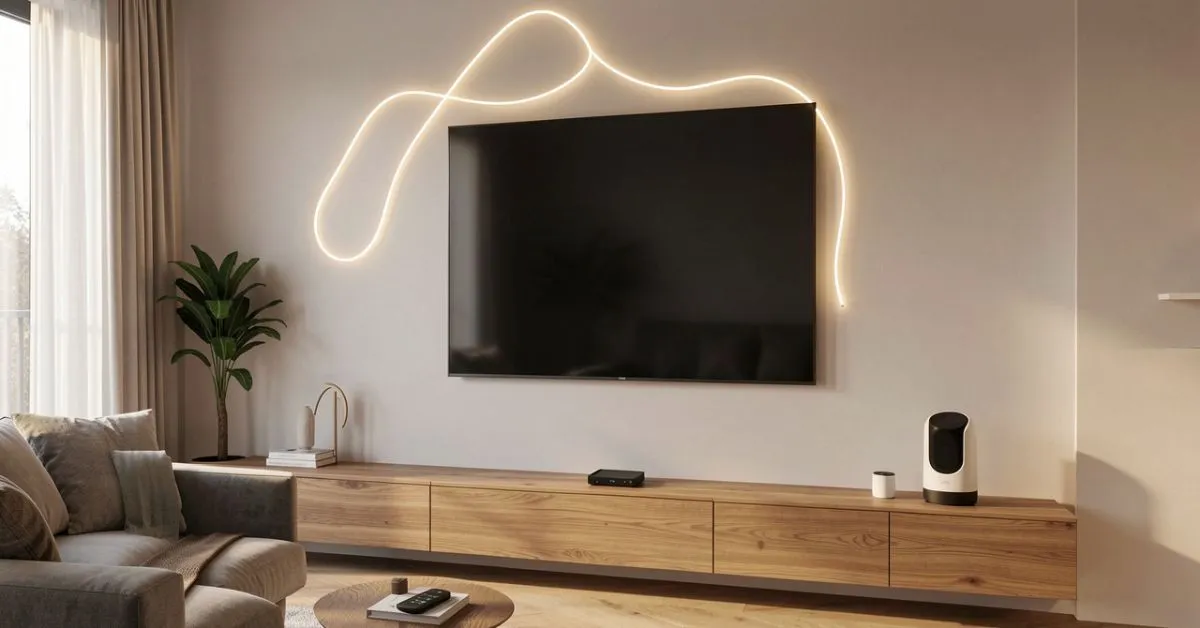
Smart Home Decoradtech: Where Design Meets Innovation
Your home should feel personal, comfortable, and beautiful. But what if it could also anticipate your needs, save energy, and make daily tasks easier—all without looking like a tech showroom?
That’s the promise of smart home decoradtech. Unlike traditional smart devices that prioritize function over form, these products are designed to enhance both your lifestyle and your interior aesthetics. The challenge isn’t just making your home smarter. It’s doing it without compromising the look and feel you’ve worked hard to create.
Smart home decoradtech refers to connected devices and automation systems specifically designed to blend with interior design aesthetics while providing practical functionality. These products combine the convenience of smart technology with thoughtful design elements that complement rather than disrupt your home’s visual appeal.
Whether you’re starting fresh or upgrading your current space, understanding how to choose and integrate these devices can transform your home into a space that’s both intelligent and inviting.
Quick Summary
Smart Home Decoradtech merges technology with interior design. This guide covers what it is, popular device categories, room-by-room integration tips, design considerations, and how to start without overwhelming your space or budget. You’ll learn to select devices that work with your style, not against it.
Why Smart Home Decoradtech Matters Now
Ten years ago, smart devices were bulky, expensive, and obvious. Today’s options are different. Manufacturers recognize that people want technology to disappear into their decor, not dominate it.
The shift matters for several reasons. First, more people work from home and want spaces that feel calm, not cluttered with gadgets. Second, energy costs continue rising, making efficient automation more attractive. Third, design-conscious consumers refuse to choose between beautiful spaces and modern convenience.
Smart Home Decoradtech solves this tension. A smart mirror looks like a regular mirror until activated. A voice assistant disguised as a wooden box sits naturally on a bookshelf. Motorized blinds operate silently without visible controls.
The technology serves you without demanding attention.
Key Categories of Smart Home Decoradtech
Lighting That Sets the Mood
Smart lighting leads the category because it transforms spaces instantly. Modern options include recessed LED panels, decorative bulbs with adjustable color temperature, and artistic fixtures controlled via app or voice.
Philips Hue offers designer-friendly options that range from Edison-style bulbs to gradient light strips. LIFX provides similar functionality without requiring a hub. Nanoleaf’s geometric light panels double as wall art.
These aren’t just about dimming lights from your phone. You can program lighting scenes for morning routines, schedule gradual wake-up sequences, or adjust color temperature to reduce eye strain during evening hours.
A pendant light over your dining table can shift from bright white during meals to warm amber for conversations—all automatically based on time of day.
Smart Displays and Digital Art
Digital frames and smart displays have improved dramatically. Samsung’s Frame TV looks like artwork when not in use. Canvases by Meural display museum-quality art that changes with your mood or season.
These devices eliminate the black rectangle problem. Instead of a dark screen dominating your wall, you see rotating photography, classic paintings, or family photos. When you need the screen, it activates instantly.
Google Nest Hub and Amazon Echo Show now come in sizes and finishes that work in kitchens, bedrooms, and offices without looking out of place. They display recipes, control other devices, and show security cameras—but rest as digital photo frames between uses.
Invisible Audio Systems
Sonos popularized stylish wireless speakers, but newer options push further. Symfonisk speakers from IKEA and Sonos look like bookshelf decor or table lamps. KEF’s LS50 Wireless speakers come in colors that complement modern furniture.
In-ceiling and in-wall speakers disappear entirely. Brands like Polk and Klipsch offer paintable grilles that match your ceiling color.
The goal is immersive sound without visible equipment. Music follows you through the house, but visitors don’t see a single speaker.
Window Treatments with Brains
Motorized blinds and curtains were once luxury items. Brands like IKEA’s Fyrtur and Soma Smart Shades brought prices down significantly.
These systems open with sunrise, close for privacy at night, or adjust throughout the day to manage heat and light. They work with voice commands, schedules, or sensors that detect sunlight.
Aesthetically, they’re identical to regular blinds. The motor hides in the roller tube. Controls are wireless. The result is cleaner windows without pull cords or chains.
Functional Furniture
Smart furniture remains niche but growing. Coffee tables with wireless charging built into the surface. Nightstands with integrated USB ports and ambient lighting. Desks with motorized height adjustment and cable management.
Sobro makes a coffee table with refrigerated drawers, Bluetooth speakers, and device charging. It looks like a modern coffee table—because it is one—but adds hidden functionality.
The best smart furniture doesn’t announce its technology. It simply works better than traditional pieces.
Room-by-Room Integration Tips
Living Room: Balance Comfort and Control
Start with lighting. Replace standard bulbs in existing lamps with smart bulbs—no rewiring needed. Add a smart display that matches your decor style on a side table or shelf.
If your TV isn’t smart, add a streaming device like Apple TV or Chromecast, then hide it behind the screen. Use cable management sleeves to eliminate visible wires.
Consider a smart speaker disguised as decor. The ultimate test: can a guest identify which items are smart devices? If not, you’ve succeeded.
Bedroom: Prioritize Rest and Routine
Bedrooms benefit from automation that supports sleep. Smart bulbs that gradually dim in the evening signal your body to prepare for rest. Blackout shades that close automatically maintain darkness.
A smart thermostat like Nest or Ecobee adjusts temperature for optimal sleep—typically 65-68°F according to sleep researchers. A white noise machine or smart speaker playing nature sounds blocks disruptions.
Keep screens minimal. If you use a smart display, enable night mode that reduces blue light after sunset. Better yet, place it where you can’t see it from bed.
Kitchen: Function Meets Style
Kitchens demand practicality. A smart display works perfectly here for recipes, timers, and music while cooking. Mount it at eye level where you can see it while working.
Under-cabinet lighting with motion sensors provides task lighting without switches. Smart plugs on small appliances let you turn off everything with one command before leaving.
A smart fridge remains expensive, but a simple smart plug on your coffee maker starts your morning brew automatically. Small changes make bigger impact than one expensive appliance.
Home Office: Productivity Without Distraction
Adjustable smart lighting reduces eye strain. Position it to eliminate screen glare. Set scenes for focused work (cool, bright light) versus video calls (warm, flattering light).
Smart plugs create “end of workday” routines that turn off monitors and desk lamps, helping separate work from personal time when you work from home.
If you take video calls, smart bulbs behind your monitor provide attractive backlighting. A small smart display manages your schedule without opening another browser tab.
Bathroom: Simple Upgrades
Smart mirrors with integrated lighting provide perfect makeup or shaving light. Some include defoggers, Bluetooth audio, or even displays showing weather while you get ready.
Motion-activated nightlights guide late-night trips without blinding overhead lights. Smart exhaust fans with humidity sensors run automatically after showers, then shut off.
Keep it simple here. Bathrooms need reliability and water resistance, not complicated systems.
Design Principles for Seamless Integration
Match Your Existing Style
Smart devices now come in multiple finishes. Choose matte black for industrial spaces. Brushed nickel for transitional styles. Wood tones for Scandinavian or mid-century modern homes.
Google Nest thermostats offer multiple faceplate colors. Sonos speakers come in black or white. Many smart bulbs fit vintage fixtures.
Don’t fight your current aesthetic. Find technology that supports it.
Hide What You Can
Use furniture with cable management. Mount devices inside cabinets when possible. Put hubs and routers in closets or utility spaces.
The less visible tech infrastructure, the cleaner your space feels. Smart homes work best when the technology becomes invisible.
Start Small and Expand
You don’t need to automate everything immediately. Begin with one room or one category—lighting is usually easiest.
Learn what you actually use before investing heavily. You might discover that smart plugs solve 80% of your needs at 20% of the cost of dedicated smart devices.
Add devices over months, not days. This spreads cost and gives you time to understand what truly improves your daily life.
Prioritize Reliability Over Features
A smart device that requires constant troubleshooting defeats the purpose. Read reviews focusing on long-term reliability, not just feature lists.
Devices that work with multiple platforms (Google, Alexa, Apple HomeKit) offer flexibility if you change ecosystems later.
Simple devices with fewer features often prove more reliable than complex ones. A smart bulb that dims reliably beats one with 16 million colors that disconnects constantly.
Common Concerns and Honest Answers
Does This Really Save Money?
Smart thermostats typically save 10-23% on heating and cooling costs, according to Energy Star. That’s $130-$145 annually for average homes. The device pays for itself in 1-2 years.
Smart lighting saves less unless you currently leave lights on frequently. LED bulbs themselves provide the major savings. Smart features add convenience more than cost reduction.
Smart plugs that eliminate vampire power (devices drawing power while “off”) save modest amounts—maybe $50-100 yearly depending on what you plug in.
The financial case is strongest for climate control, moderate for lighting, and weakest for convenience devices like displays and speakers.
What About Privacy and Security?
Smart devices collect data. Most manufacturers use it to improve products, but some sell anonymized data to advertisers.
Minimize risk by buying from established companies with clear privacy policies. Amazon, Google, Apple, and major appliance manufacturers face significant reputation risk, creating incentive to protect your information.
Create strong, unique passwords. Enable two-factor authentication when available. Keep device firmware updated. Put smart devices on a separate Wi-Fi network from computers with sensitive information.
Cameras and microphones deserve extra caution. Place them only where you’re comfortable being recorded. Disable microphones when not needed. Cover cameras if that provides peace of mind.
Perfect security doesn’t exist, but reasonable precautions manage risk effectively.
Will It Look Dated Quickly?
Technology changes fast, but good design is timeless. A well-designed smart speaker looks better in five years than a trendy one looks in one year.
Choose classic finishes and simple shapes. Avoid devices with excessive branding or LED lights that scream “tech product.”
Many smart devices receive software updates that add features, extending useful life. A Sonos speaker from 2015 still works with current services.
The most future-proof approach: buy devices that look good even if the smart features eventually fail. A beautiful lamp that happens to be smart ages better than a smart device shaped like a lamp.
Simple Comparison: Traditional vs. Smart Home Decor
| Feature | Traditional Decor | Smart Home Decoradtech |
|---|---|---|
| Lighting Control | Wall switches only | Voice, app, schedule, or sensor |
| Window Treatments | Manual operation | Automated based on time or sunlight |
| Climate Control | Manual thermostat adjustment | Learns preferences, adjusts automatically |
| Entertainment | Separate remotes for each device | Unified voice or app control |
| Energy Management | Manual attention required | Automated optimization |
| Initial Cost | Lower upfront | Higher initial investment |
| Long-term Savings | Standard utility costs | Potential 10-20% reduction |
| Setup Complexity | None | Minimal to moderate, one-time |
Getting Started: A Practical First Month
- Week 1: Replace 3-5 frequently-used light bulbs with smart bulbs. Learn basic controls and scheduling.
- Week 2: Add one smart speaker or display in your most-used room. Connect it to your smart lights. Practice voice control.
- Week 3: Install a smart thermostat or add smart plugs to 2-3 devices. Create simple automations like “good morning” and “good night” routines.
- Week 4: Evaluate what you actually use. What makes life easier? What’s just novelty? Plan next additions based on real usage.
This pace prevents overwhelm and lets you learn gradually. By month’s end, you’ll understand what works for your lifestyle.
Conclusion
Smart home decor tech isn’t about having the most devices or the newest models. It’s about creating a home that feels better to live in—more comfortable, more efficient, more attuned to your actual daily patterns.
The technology should fade into the background. You shouldn’t think about it constantly or troubleshoot it regularly. When it works right, you simply notice that your home feels more responsive, more personal.
Start with problems you actually experience. Forgetting to turn off lights? Smart bulbs with scheduling fix that. Temperature uncomfortable when you wake up? A smart thermostat learns your preferences. Can’t find the right ambiance for dinner parties? Programmable lighting scenes solve it.
Let real needs guide purchases, not gadget appeal. The smartest home is one that serves your life, not one that demands attention.
Frequently Asked Questions
Do I need to rewire my home for smart home decor tech?
No rewiring needed. Smart bulbs fit standard sockets, smart plugs use regular outlets, and most thermostats replace existing ones with the same wires. Motorized blinds run on batteries. Professional installation is optional for most products, making setup accessible for average homeowners.
Can I use different brands together?
Yes, mix brands freely. Most devices support Google Assistant, Alexa, or Apple HomeKit. A Philips bulb works alongside a Nest thermostat and Sonos speaker through one voice assistant. Advanced automation may favor single ecosystems, but basic control works seamlessly across brands.
What happens when the internet goes out?
Basic functions continue working. Smart bulbs respond to wall switches, thermostats maintain temperature, and locks accept keys. You lose remote access, voice control, and automations temporarily, but core functionality remains intact. This manual fallback prevents complete dependence on connectivity.
Is smart home decoradtech difficult to set up?
Most devices are beginner-friendly. Smart bulbs and plugs take under five minutes—just install and follow app prompts. Thermostats need 30 minutes and basic tools. Manufacturers design for regular homeowners, not tech experts. YouTube tutorials cover nearly every product for extra help.
How much should I budget to start?
Plan $200-400 for a meaningful start. This covers 4-6 smart bulbs, one speaker, a display, and smart plugs—enough for 1-2 rooms. Spreading purchases over months makes it affordable and lets you identify what truly improves your daily routine before expanding further.