

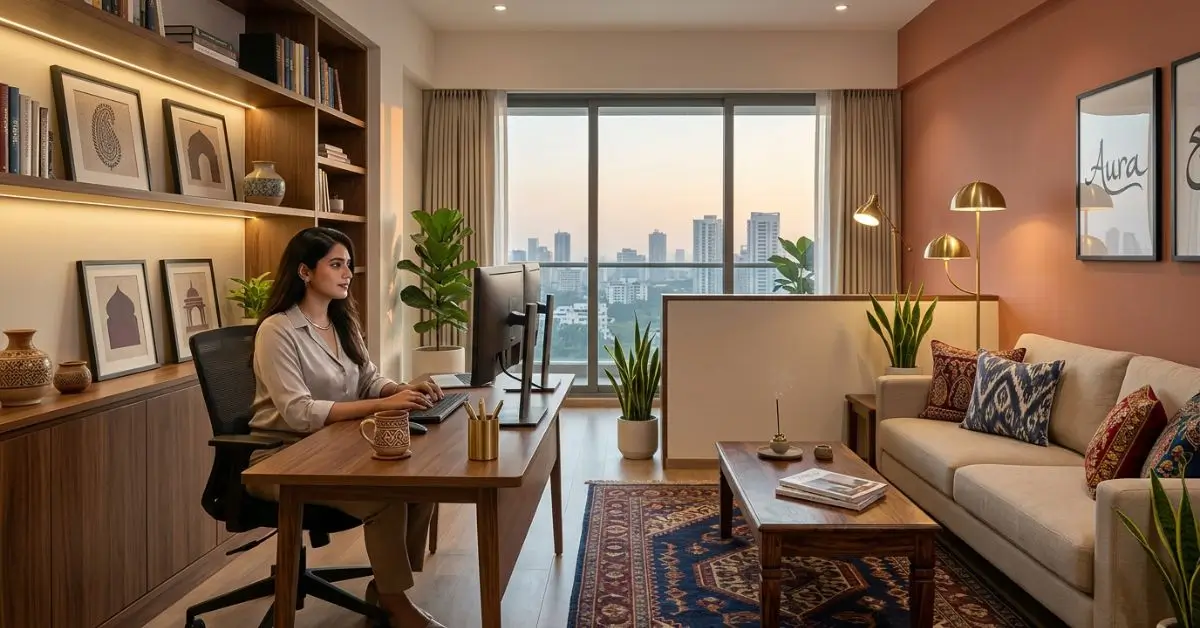
Home Decor Ideas That Actually Work
Most people want their home to look better. The problem is not a lack of ideas. It is that most advice out there is either too expensive, too vague, or designed for a design professional rather than someone who just wants their living room to feel more comfortable.
You do not need a full renovation or a big budget to make a real difference. Small, smart changes, done in the right order, can completely transform how a space looks and feels. And that matters more than most people realize. Your home affects your mood, your energy, and how much you enjoy being there.
In this guide, you will find practical home decor ideas organized by room, budget level, and impact. Everything here is realistic, clear, and based on what actually works in real homes.
Home decor refers to the process of improving the appearance and feel of a living space through furniture, color, lighting, accessories, and layout choices. Good home decor makes a space more functional, more personal, and more visually appealing without necessarily requiring expensive materials or professional help.
Quick Summary
You do not need a big budget or a designer to improve your home. This guide covers practical decor ideas for every room, from quick fixes under $50 to bigger upgrades worth the investment. Start small, stay consistent, and focus on changes that improve both look and function.
Start with What You Already Have
Before buying anything new, take a fresh look at what you already own.
Most homes have perfectly good furniture and accessories that are just arranged poorly or placed in the wrong room. Moving a lamp from the bedroom to the living room, shifting a sofa away from the wall, or swapping artwork between rooms costs nothing and can make an immediate difference.
This step is worth doing first because it helps you see your space clearly. Once you know what you actually need versus what you already have, every purchase you make is more intentional.
A good starting point is to remove anything that feels cluttered, broken, or out of place. A clean, simple space always looks better than a busy one, even before any new decor is added.
Living Room Ideas
The living room is the most visible space in most homes, so improvements here make the biggest impact.
Focus on Lighting First
Lighting is the single most underrated element in home decor. Most living rooms rely too heavily on one overhead ceiling light, which creates a flat, unflattering look.
Add a floor lamp in a corner, a table lamp on a side table, and consider warm-toned bulbs instead of cool white ones. This layered lighting approach makes any room feel more inviting instantly. In the US, warm LED bulbs around 2700K are widely available at hardware stores for under $15 for a pack.
Use a Rug to Define the Space
A rug does not just add color and texture. It defines the seating area and makes the room feel intentional and pulled together.
The most common mistake is choosing a rug that is too small. For a standard living room, an 8×10 or 9×12 rug works well. All front legs of the sofa and chairs should sit on the rug. That one change alone can make a room look significantly more designed.
Add One Statement Piece
Rather than decorating every surface, pick one focal point. This could be a large piece of artwork above the sofa, a bold accent chair in a corner, or a gallery wall that reflects your personality.
One strong visual anchor is more effective than ten small decorative items scattered around the room. It gives the eye somewhere to land.
Bedroom Ideas
A bedroom should feel calm and restful. Clutter, harsh lighting, and mismatched textiles work against that goal.
Upgrade Your Bedding
The bed is the centerpiece of the bedroom. Quality bedding, even a simple white duvet with good pillows, makes the whole room look cleaner and more intentional.
You do not need to spend a lot. A quality cotton duvet cover from a store like Target or IKEA in the $40 to $80 range can completely change how the bed looks. Add two standard pillows and two decorative ones for a layered effect that feels put together.
Use Curtains to Add Height
Hang curtains close to the ceiling rather than just above the window frame. This makes the ceiling look higher and the room feel larger. Use floor-length curtains that reach all the way down, even if the window is small.
This is one of the most cost-effective home decorating tricks available. A set of linen-look curtains costs between $25 and $60 and makes a dramatic difference in how spacious the room feels.
Reduce What Is on Surfaces
Nightstands and dressers collect clutter fast. Keep surfaces clean by limiting each one to three to five intentional items — a lamp, a small plant, a candle, or a book. That restraint makes the room feel calm rather than busy.
Kitchen and Dining Area Ideas
The kitchen is one of the hardest rooms to decorate because it is highly functional. But a few smart choices go a long way.
Update Hardware First
Cabinet handles and drawer pulls are easy to swap and make a big visual difference. Replacing old brass or plastic hardware with matte black or brushed nickel options typically costs between $2 and $8 per piece and takes about an hour with a screwdriver.
In a kitchen with ten to fifteen cabinet doors and drawers, this simple update can make the space feel modern and refreshed without touching anything structural.
Bring in a Small Plant or Herb Garden
A small plant on a windowsill or a compact herb garden on the counter adds life and color to the kitchen without taking up much space. Herbs like basil, mint, and rosemary are easy to maintain and serve a practical purpose too.
Style the Dining Table
Many people leave the dining table bare when it is not being used. A simple centerpiece, a wooden bowl, a candle in a glass holder, or a small plant, makes the space feel finished and welcoming.
Keep it low so it does not block eye contact across the table. Simple and intentional always works better than elaborate.
Bathroom Ideas
Bathrooms are small, but they are one of the easiest rooms to refresh quickly and affordably.
Replace Old Towels and Accessories
Matching towels in one or two neutral tones make any bathroom look cleaner and more pulled together instantly. Add a simple soap dispenser, a small tray for countertop items, and a new shower curtain if yours is dated.
This full refresh can be done for under $75 and makes the bathroom feel noticeably better.
Add a Mirror or Upgrade the Existing One
A new mirror adds personality to a bathroom quickly. Round mirrors are popular right now and work well in most bathroom styles. Even adding a simple frame around a builder-grade mirror using wood trim from a hardware store is a low-cost way to make it feel custom.
Use Baskets for Storage
Open baskets on shelves or under a pedestal sink add both storage and warmth. They replace the cluttered look of loose products on shelves with something organized and visually appealing.
Entryway and Hallway Ideas
These spaces are often ignored, but they are the first thing you see when you walk in.
Add a Console Table
A narrow console table in the entryway creates an immediate sense of structure. Style it with a lamp, a small mirror, and a basket or tray for keys and mail. It makes the entrance feel welcoming and organized.
Use Wall Hooks
Functional and decorative wall hooks near the door remove the coat-on-chair problem that most entryways struggle with. A simple row of three to five hooks keeps things tidy and adds a finished look.
Try a Small Bench
A bench in the entryway gives people a place to sit when putting on shoes and doubles as a design element. A simple upholstered bench or a wooden one with storage underneath works well in most spaces.
Budget Breakdown: What to Spend and Where
Not every room needs the same investment. Here is a practical guide to where your decor budget goes furthest:
| Area | Low-Budget Fix (Under $100) | Worth Spending More On |
|---|---|---|
| Living room | Rearrange furniture, add lamps | Quality rug, statement artwork |
| Bedroom | New bedding, curtains | Good mattress, solid wood furniture |
| Kitchen | New hardware, countertop plant | Lighting fixture upgrade |
| Bathroom | New towels, mirror, accessories | Vanity or tile update |
| Entryway | Hooks, tray, small plant | Console table, bench |
This table helps you prioritize based on what you actually have to spend right now.
Colors, Textures, and the 60-30-10 Rule
One of the most useful frameworks in home decorating is the 60-30-10 color rule.
- 60% of the room should be a dominant color, usually walls or large furniture
- 30% should be a secondary color, used in rugs, curtains, or accent chairs
- 10% should be an accent color, used in pillows, artwork, or small accessories
For example, a living room might have soft gray walls (60%), a cream sofa and rug (30%), and deep green throw pillows and a plant (10%). This creates visual balance without requiring any design background.
Texture works the same way. Mix soft and hard, smooth and rough, matte and shiny. A velvet pillow next to a linen throw on a wooden sofa creates visual interest that makes a room feel layered and considered.
Common Mistakes to Avoid
Even with the best intentions, a few common errors can make a space feel off.
Buying furniture that is the wrong size. Always measure before buying. A sofa that is too large makes a room feel cramped. A rug that is too small looks like an afterthought.
Decorating everything at once. Rooms that are decorated all at the same time often feel too matched and impersonal. Build a room over time and let your personality show through the choices.
Ignoring natural light. The amount and direction of natural light in a room affects everything: paint color, furniture placement, and how accessories look. Observe your space at different times of day before making permanent decisions.
Following trends too closely. Trends change fast. A room built entirely around a current trend can feel dated within two or three years. Mix in timeless pieces and let trend-driven items come through in smaller, replaceable accessories.
Conclusion
Good home decor is not about spending the most money or following the latest trends. It is about making intentional choices that improve how your space looks, feels, and functions for the people who live in it.
Start with one room. Make a few changes. See how the space shifts. Then move to the next area. Small, consistent improvements add up faster than most people expect.
If this guide gave you a clear starting point, explore our other articles on room-by-room decorating tips and budget home improvement projects to keep the momentum going.