

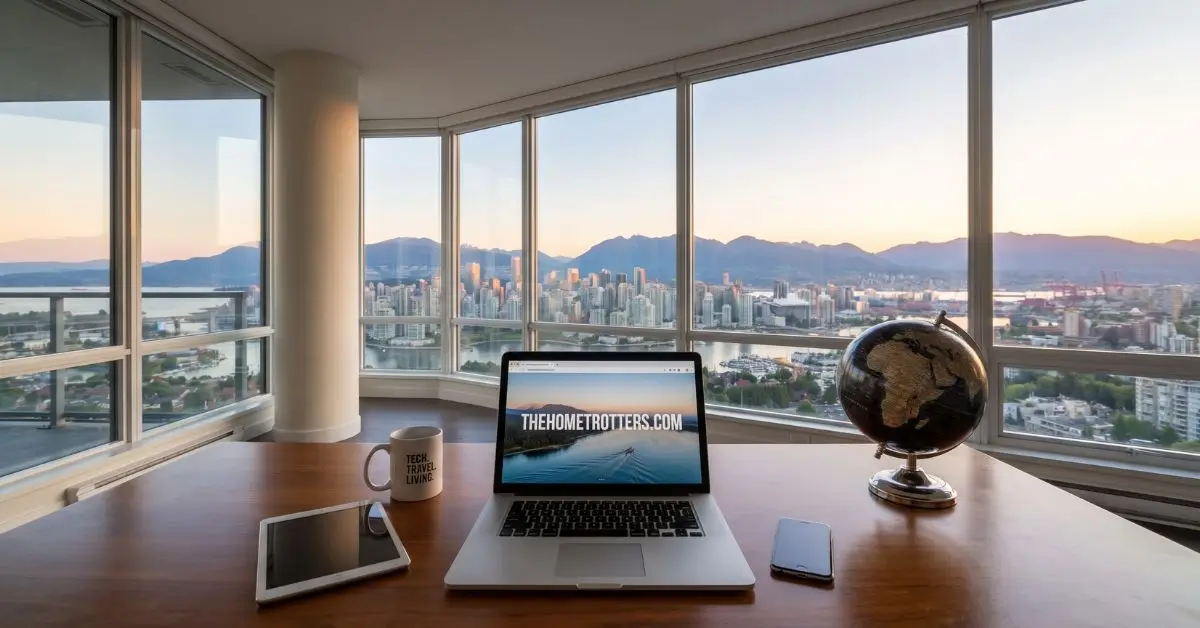
Tech Thehometrotters .com: How to Blend Smart Technology with Home Decor
Smart devices make daily living convenient, but they often create an interior design nightmare. Black plastic boxes, blinking green LEDs, and tangled nests of power cords can instantly ruin the look of a carefully decorated room. Many homeowners want the comfort of modern automation, yet they hesitate to add gadgets that clash with their furniture, paint, and personal style.
Learning how to balance design and technology is essential for creating a comfortable living environment. When exploring tech thehometrotters .com concepts, you discover how smart devices can enhance your daily routines while staying visually quiet in the background.
What Is Tech Home Decor?
Tech thehometrotters .com concepts represent the art of integrating modern smart technology seamlessly into residential interior design, focusing on concealed wiring, aesthetically pleasing smart devices, ambient lighting systems, and multi-functional furniture that enhance daily home convenience without compromising on style, visual warmth, or personal decor preferences.
Quick Summary
- Choose dual-purpose electronics, such as art frame televisions and fabric-wrapped smart speakers.
- Hide all power cords using paintable raceways, furniture channels, and recessed outlet boxes.
- Set smart bulbs to warm white color temperatures between 2700K and 3000K for cozy living spaces.
- Group smart hubs and streaming boxes inside well-ventilated closed cabinets.
- Use natural materials like wood, linen, and ceramic to soften the presence of nearby tech items.
The Core Problem with Everyday Smart Tech
Most consumer electronics are engineered for performance and cost, not beauty. Manufacturers build gadgets out of shiny black plastic or stark white composite materials. While these look acceptable in an office or a laboratory, they look out of place on a rustic oak coffee table or an antique entryway console.
Another issue is cord clutter. A television setup often requires multiple power cables, HDMI cords, soundbar wires, and streaming adapters. When these hang down a wall, they draw the eye straight to the clutter.
Integrating tech into your decor is not about getting rid of your favorite gadgets. It is about choosing the right hardware, putting it in smart locations, and using simple decorating tricks to make it feel like a natural part of the room.
Essential Rules for Aesthetic Tech Integration
Before buying new smart gadgets, keep three basic design rules in mind. These rules will prevent your home from feeling like an electronics showroom.
1. The Rule of Visual Weight
Every object in a room has visual weight. A massive black television screen on a pure white wall creates high contrast and pulls all visual attention to itself. You can balance this by surrounding the screen with framed art prints, dark accent paint, or wood slat wall paneling.
2. The Rule of Natural Textures
Hard plastic and glass feel cold. When you place a smart device on a table, pair it with organic textures. Place a smart display next to a textured ceramic vase, a stack of hardcover books, or a small potted plant. The natural materials soften the hard lines of the device.
3. The Rule of Concealment
If a piece of technology does not need to be seen to function, hide it. Smart plugs, mesh Wi-Fi nodes, streaming sticks, and power strips can easily sit inside decorative baskets, behind books, or inside media units with breathable front panels.
Applying tech thehometrotters .com principles means prioritizing your room layout first, then weaving the technology into the background.
Living Room: Disguising Entertainment and Audio
The living room is where entertainment hardware and cozy design clash most often. Fortunately, modern products make it easier than ever to build an invisible media center.
+-------------------------------------------------------------+
|                      LIVING ROOM SETUP                      |
|                                                             |
|   [ Framed Art TV ]  <--- Blends into gallery wall          |
|          |                                                  |
|   [ In-Wall Cable Conduit ] <--- All cords hidden in wall   |
|          |                                                  |
|   [ Low Media Console ]                                     |
|     +-- [ Fabric Speaker ] (Matches sofa textile)          |
|     +-- [ Slatted Cabinet Door ] (Hides router & console)   |
|                                                             |
+-------------------------------------------------------------+
The Power of Frame TVs
Standard televisions leave a large black rectangle on your wall when turned off. Frame-style televisions solve this problem by displaying high-resolution artwork with matte screens when not in use. You can customize the bezel with natural oak, walnut, or white finishes to match your existing picture frames.
For example, a family in Denver, Colorado replaced their standard 65-inch television with a frame model mounted inside an asymmetrical gallery wall. By surrounding the display with four framed family photographs and two oil landscape prints, the television blended in so well that guests assumed it was simply another framed canvas.
Discreet Audio Systems
Soundbars do not have to sit visibly on top of your furniture. Consider these styling alternatives:
- Fabric-wrapped soundbars: Choose audio bars covered in gray, beige, or oatmeal fabric that blend directly into your console table.
- In-wall and in-ceiling speakers: Paintable speaker grilles allow you to flush-mount surround sound units directly into the drywall and paint them the exact same shade as your walls.
- Subwoofers disguised as furniture: Some modern subwoofers are built with flat profiles and wood veneer tops, allowing them to double as side tables or slide completely under low-profile couches.
Smart Lighting: Setting Atmosphere over High-Tech Gimmicks
Many people make the mistake of using intense rainbow-colored lighting when they first buy smart LED bulbs. Neon blues and purples can be fun for parties, but they make everyday living rooms feel uncomfortable and unnatural.
Using tech thehometrotters .com lighting strategies means using smart automation to support warm, inviting living spaces throughout the day.
Color Temperature Strategy
- Morning (6:00 AM to 9:00 AM): 3500K to 4000K (Soft neutral light to help you wake up).
- Daytime (9:00 AM to 5:00 PM): 4000K to 5000K (Clear daylight for focus and chores).
- Evening (5:00 PM to 10:00 PM): 2200K to 2700K (Warm golden light to promote relaxation).
- Night Routine: Under 2000K (Candlelight warm tone for winding down before sleep).
Indirect and Architectural Lighting
Instead of staring at bare light bulbs, hide LED light strips inside architectural channels:
- Behind floating wall shelves: Adds a soft downward glow that highlights decor objects.
- Under baseboards or bed frames: Creates a gentle floating effect that acts as a low-glare nightlight.
- Inside crown molding: Bounces light softly off the ceiling to make small rooms feel taller and airier.
Always use aluminum mounting channels with frosted silicone diffusers. The diffuser eliminates harsh individual LED dots, providing a smooth, continuous ribbon of ambient light.
Mastering Cable Management for a Clean Space
Unmanaged cables ruin even the most expensive furniture. Fortunately, basic cable organization requires only simple tools and under an hour of effort.
In-Wall Power Kits
For wall-mounted televisions, an in-wall power bridge is the cleanest solution. These kits cost between $40 and $80 at most US hardware stores. They allow you to route power and HDMI cables safely behind the drywall without hiring an electrician.
Surface Mount Paintable Raceways
If you live in a rental apartment or cannot cut into drywall, use adhesive surface raceways. Choose D-channel raceways with rounded edges. After securing your cords inside the channel, paint the exterior of the raceway with your exact wall paint. It blends in with the wall and looks like decorative trim.
Cable Baskets and Fabric Sleeves
Under desks and console tables, mount an open wire cable management tray to the underside of the wood surface. Place your surge protector inside the basket. Use zippered fabric cable sleeves to gather any unavoidable drops into a single, neat cord bundle.
Smart Solutions: Standard vs Aesthetic Options
The table below highlights common high-tech devices and compares standard approaches with design-first alternatives.
| Tech Category | Standard Approach (Looks Cluttered) | Aesthetic Alternative (Looks Designed) | Average US Cost Difference |
|---|---|---|---|
| Television | Shiny black TV on a basic tilt mount | Matte Art Frame TV with custom wood bezel | +$400 to $800 |
| Voice Assistants | Glossy plastic puck plugged into exposed outlet | Fabric-wrapped speaker shelf or table-lamp hybrid | +$20 to $60 |
| Power Outlets | Exposed white plastic surge protector on floor | Recessed floor box or hidden side-mount outlet | +$15 to $40 |
| Window Blinds | Dangling manual pull cords and plastic slats | Motorized fabric roller shades tucked in valance | +$80 to $200 per window |
| Charging Station | Tangled charging cables on top of nightstand | Wireless charging coil embedded under wood veneer | +$25 to $50 |
Bedroom: Restful Spaces with Invisible Technology
A bedroom should be a sanctuary for rest, quietness, and deep sleep. Technology in the bedroom should work quietly behind the scenes without creating visual distractions or disrupting sleep cycles.
Hidden Bedside Charging
Tangled phone cords on a nightstand make mornings feel rushed and messy. You can fix this by installing an invisible under-desk wireless charger. These small pucks mount to the underside of your wooden nightstand with adhesive screws. They transmit wireless power directly through up to one inch of solid wood, allowing you to charge your phone simply by placing it on top of the bare table.
Motorized Smart Shades
Motorized shades can be scheduled to rise slowly with the morning sun and close automatically at sunset for privacy. Choose custom linen or woven wood materials with quiet battery-powered motors. Hide the top roller mechanism inside an upholstered fabric valance or a custom wooden headrail that matches your window trim.
By relying on tech thehometrotters .com concepts in the bedroom, you gain the convenience of automated routines without seeing plastic mechanisms.
Home Office: Clean Setups That Boost Focus
With more people working from home, the home office has become a major design priority. An office needs to support high-performance computers while looking pleasant on video calls and feeling organized throughout the workday.
Minimalist Desk Setups
- Monitor Arms: Mount your computer monitors on heavy-duty gas spring arms clamped to the back of your desk. This lifts the screens off the table and opens up usable desk surface below.
- Under-Desk PC Mounts: Hang your computer tower beneath the desk frame rather than letting it sit on the floor where it collects dust.
- Felt and Leather Desk Mats: Use a large wool felt or full-grain leather desk pad to define your workspace and hide keyboard wires.
Smart Air Quality Monitors
Instead of clunky box fans, use smart air purifiers with wooden legs and tweed fabric covers that look like mid-century furniture pieces. Pair them with compact air quality monitors designed with real wood outer casings.
Kitchen and Entryway Tech Integration
High-traffic areas like kitchens and front entryways require practical organization. Devices in these spaces must stand up to daily use without cluttering precious countertop space.
The Hidden Smart Kitchen Hub
Rather than placing a large smart tablet directly in the middle of your food prep island, mount a slim display under an upper cabinet or place it on a wooden recipe stand on an accent shelf. Use smart plugs behind small appliances so you can turn on decorative coffee bar lamps or slow cookers via voice control without reaching behind furniture.
Entryway Drop Zones with Built-In Power
Your entryway table can serve as an organized charging drop zone. Place a wide ceramic tray on the table. Run a flat power cord behind the back leg of the console using clear adhesive clips. Connect the wire to a low-profile multi-device charging mat sitting inside the ceramic tray. When you walk in, you drop your keys, watch, and phone into the tray where they charge out of plain sight.
Implementing tech thehometrotters .com ideas ensures that your entry and functional spaces remain organized from the moment you step through the front door.
Bringing Tech and Decor Together
You do not have to choose between a smart home and a stylish home. When you approach smart home devices with a design-first mindset, technology becomes a tool that elevates your living space rather than a nuisance you have to tolerate.
Start small. Pick one area in your home where messy tech bothers you most. Conceal the power cables around your media stand, upgrade your living room bulbs to warm smart LEDs, or clear your nightstand with an under-desk wireless charger.
By applying these practical tech thehometrotters .com methods step by step, you can build an automated, comfortable home that looks effortlessly timeless and functions with modern ease.
Frequently Asked Questions
What is the most affordable way to hide television cords?
The most affordable way to hide television cords is by using a paintable surface raceway kit, which costs between $15 and $25 at hardware stores. These plastic channels adhere to the wall, enclose all dangling wires, and can be painted to match your wall color for a seamless look.
How do I stop smart speakers from cluttering my tabletops?
You can stop smart speaker clutter by mounting them on discreet electrical outlet wall brackets, using fabric-wrapped models that blend into bookshelves, or choosing combination devices such as smart table lamps with built-in speakers.
Which light bulb temperature looks best with modern decor?
A warm white color temperature between 2700K and 3000K looks best with modern home decor. This range creates a cozy, golden glow that enhances natural wood tones and warm paint colors while avoiding the harsh, clinical feel of cool blue daylight bulbs.
Can smart home tech work inside older vintage homes?
Yes, smart home technology works very well in vintage homes when you use hidden components such as smart in-wall micro-relays behind antique light switches, wireless smart plugs hidden behind furniture, and battery-powered motorized shades tucked behind classic crown molding.
Are smart art frame TVs worth the extra investment?
Smart art frame TVs are worth the investment if your television sits in a formal living room, dining area, or above a fireplace where a large black screen would disrupt the decor. Their matte anti-glare screens and customizable frames allow them to function as realistic wall art when turned off.
[…] fees to acquire new mobile game players, survey respondents, or newsletter subscribers. The platform acts as a distribution engine. It lists these advertiser offers on an easy-to-use […]